
 ÅlandIsland
Finland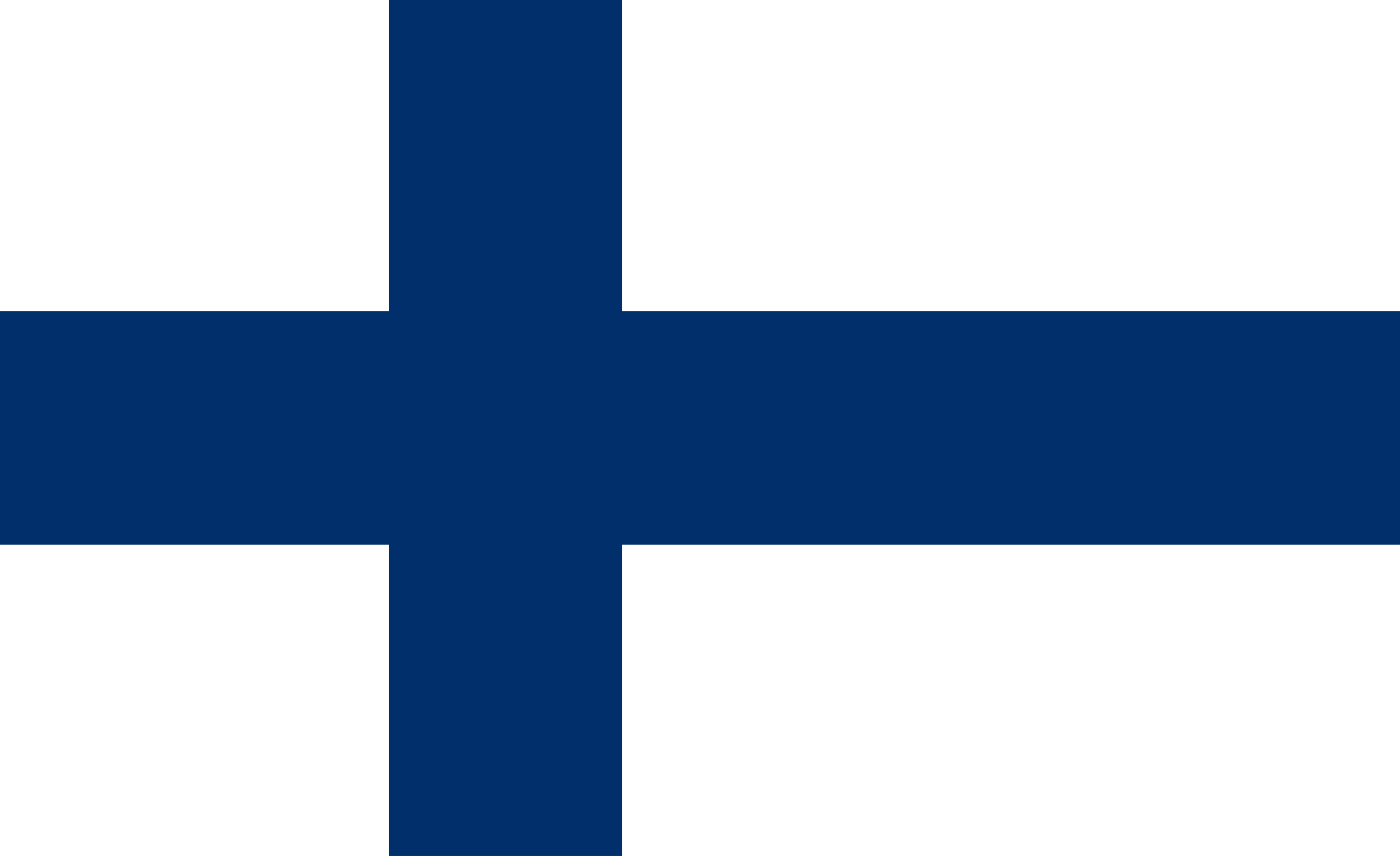
Hotels in Finland
Finland: Where Forests, Lakes, and Nordic Calm Shape Everyday Life
Introduction: Arriving in a Country Defined by Space and Silence
The first thing I noticed in Finland was not a landmark but the feeling of room to breathe. Leaving Helsinki behind, the landscape opened into a rhythm of dark pine forests, shimmering lakes, and roads that seemed to disappear into the horizon. Even in the capital, life moves with a quiet confidence. Trams glide past granite buildings, cafés fill with conversation, and the Baltic Sea is never far away.
Finland occupies a unique place in Northern Europe. It is a country where cutting-edge technology exists alongside centuries-old traditions, where sauna culture remains a central part of daily life, and where nature is not a weekend escape but an essential element of identity. Across the seasons, the experience changes dramatically—from long summer evenings when the sun barely sets to winter days illuminated by snow and, in the far north, the glow of the Northern Lights.
 Photo by Fredrik Solli Wandem on Unsplash
For travelers seeking authentic Nordic culture, vast wilderness, innovative cities, and a strong connection to nature, Finland offers a distinctive experience that feels both modern and timeless.
Helsinki: A Nordic Capital on the Baltic Sea
Helsinki combines contemporary design with maritime charm. Walking through the city center, I found elegant Art Nouveau architecture standing beside minimalist Scandinavian interiors and modern public spaces. The Market Square buzzes with local vendors selling fresh berries, salmon, and traditional Finnish pastries, while nearby islands provide peaceful escapes just minutes from the city.
As Finland's capital and largest city, Helsinki is home to over 650,000 residents, while the greater metropolitan area accounts for more than a quarter of the country's population. Despite its urban character, green parks, waterfront promenades, and access to nature remain integral to daily life.
The Geography of a Thousand Lakes
 Photo by Tomi Blasic on Unsplash
Finland is often called the "Land of a Thousand Lakes," though the reality is far more impressive. The country contains approximately 188,000 lakes, creating one of the most water-rich landscapes in the world. From the air, the scenery appears as an intricate mosaic of forests and waterways stretching across much of the nation.
 Photo by Sylwia Bartyzel on Unsplash
Bordering Sweden, Norway, and Russia, Finland covers a vast territory while maintaining a relatively small population of around 5.6 million people. This combination creates an extraordinary sense of openness. In many regions, it is possible to spend hours surrounded by forests, lakes, and wildlife without encountering large crowds.
Finnish History and National Identity
Finland's history has been shaped by its position between East and West. For centuries, it was part of the Kingdom of Sweden before becoming an autonomous Grand Duchy under the Russian Empire in 1809. Finland declared independence in 1917 and has since developed into one of the world's most stable and prosperous democracies.
Photo by Axel Antas-Bergkvist on UnsplashThis history remains visible throughout the country. Swedish influences appear in architecture and language, while eastern traditions can be felt in parts of Karelia. What emerges is a distinctly Finnish identity built on resilience, education, innovation, and a deep respect for nature.
Climate and Seasons: Four Distinct Experiences
The Finnish climate changes dramatically throughout the year. Summer brings mild temperatures and remarkably long daylight hours. In June and July, parts of Lapland experience the Midnight Sun, when daylight continues around the clock.
Autumn transforms forests into vibrant shades of gold, orange, and red. Winter arrives with snow-covered landscapes and opportunities for skiing, snowshoeing, and reindeer safaris. In northern Finland, visitors often gather beneath dark Arctic skies hoping to witness the Aurora Borealis dancing overhead.
Spring arrives gradually, bringing longer days and renewed energy as lakes thaw and forests awaken after the long winter.
Best Time to Visit Finland
The ideal time to visit depends on the experience you seek. Summer, from June to August, offers pleasant temperatures, outdoor festivals, hiking opportunities, and endless daylight. It is the perfect season for exploring the lake districts and archipelagos.
For snow-covered landscapes and winter activities, December through March provides reliable conditions, particularly in Lapland. Travelers interested in viewing the Northern Lights often visit between September and March, when dark skies create favorable conditions.
Autumn is particularly rewarding for those who appreciate nature, as forests display spectacular colors and popular destinations become quieter.
Language, Currency, and Everyday Culture
Finnish and Swedish are Finland's two official languages, though English is widely spoken throughout the country, making travel remarkably straightforward. The currency is the euro (€), and digital payments are accepted almost everywhere.
Finnish culture often values modesty, punctuality, and personal space. Yet beneath the reserved exterior lies genuine warmth. Conversations may begin quietly, but hospitality reveals itself through shared meals, invitations to a sauna, and thoughtful gestures rather than grand displays.
Few traditions capture the Finnish spirit better than the sauna. Found in homes, hotels, lakeside cottages, and even office buildings, the sauna serves as both a social institution and a place for reflection. Sitting in the heat before stepping into a cool lake or snowy landscape remains one of the country's most memorable experiences.
Lapland and the Arctic North
Traveling north into Lapland feels like entering another world. Vast forests give way to open fells, reindeer wander across roads, and winter transforms the landscape into a scene of snow and ice. Indigenous Sámi culture continues to shape the region, adding a rich cultural dimension to its natural beauty.
Whether traveling by husky sled, exploring Arctic national parks, or simply standing beneath a sky illuminated by the Northern Lights, Lapland offers some of Europe's most unforgettable wilderness experiences.
Why Finland Leaves a Lasting Impression
Finland does not compete for attention with constant spectacle. Instead, it reveals itself gradually through quiet forests, thoughtful design, lakes reflecting endless skies, and a culture that values balance and authenticity. From Helsinki's waterfront neighborhoods to the remote landscapes of Lapland, the country offers a rare combination of modern comfort and profound connection to nature. It is a destination that stays with you long after the journey ends, inviting you to return and discover another season, another lake, and another perspective on the Nordic world.
Finland – Good to Know Before You Go
Historical & Context Overview
Finland has been inhabited since prehistoric times and became an independent nation in 1917 after centuries under Swedish and later Russian rule. Today it is one of Northern Europe's most stable and highly developed countries.
-
Population: approximately 5.6 million inhabitants nationwide. ([baronanordic.com][1])
-
Capital: Helsinki (~690,000 residents).
-
Greater Helsinki metropolitan area (including Espoo, Vantaa and surrounding municipalities): approximately 1.6 million residents.
-
Major nearby cities:
- Espoo (~320,000) directly west of Helsinki.
- Vantaa (~250,000) directly north of Helsinki.
- Tampere (~260,000), about 180 km north of Helsinki.
- Turku (~205,000), about 170 km west of Helsinki.
-
Finland is known for its forests, lakes, long winters, efficient public services, and strong emphasis on personal space and punctuality.
Getting Around & Mobility
Finland is easy to navigate, especially in cities.
Walking
- Cities are highly walkable.
- Pedestrians generally obey traffic lights, even when roads appear empty.
- Cars usually stop at marked crossings, but always make eye contact with drivers before crossing.
Cycling
- Extensive cycling infrastructure exists in most cities.
- Dedicated bike lanes are common.
- Cyclists are expected to follow traffic rules and use lights after dark.
- Bike rentals typically cost €10–€30 per day.
E-Scooters
-
Available in most larger cities during warmer months.
-
Typical cost:
- Unlock fee: €1
- Usage: €0.20–€0.35 per minute
-
Parking rules are increasingly strict. Improper parking can result in fines.
Car Rental
- Small car: approximately €40–€90 per day.
- Fuel prices often range from €1.70–€2.10 per litre.
- Roads are excellent and generally quiet outside major cities.
- Winter tires are mandatory during winter conditions.
Public Transport & Taxis
Finland has one of Europe's most reliable public transport systems. Major cities offer integrated bus, tram, metro and commuter rail networks, while trains and long-distance buses connect the entire country. ([Jarnias Cyril][2])
Local Transport
Typical single city ticket:
- €3–€4.50
- Usually valid for 80–110 minutes with transfers. ([Wikipedia][3])
Intercity Travel
- Long-distance buses are often cheaper.
- Trains are generally faster and more comfortable.
- Booking in advance can significantly reduce costs.
Examples:
- Helsinki–Tampere: €10–€40
- Helsinki–Turku: €8–€30
- Helsinki–Oulu: €20–€80
Taxis
-
Safe and regulated.
-
More expensive than in many European countries.
-
Typical city journey:
- 5 km: €12–€20
- Airport to city centre: €25–€60 depending on city and time. ([Open Travel Guide][4])
Costs & Everyday Prices
Finland is among the more expensive countries in Europe.
Typical prices:
- Coffee: €3–€5
- Soft drink: €2.50–€4
- Fast-food meal: €10–€15
- Casual restaurant meal: €15–€30
- Three-course dinner: €35–€70
- Supermarket sandwich: €4–€8
- Bottle of water: €1–€3
- Grocery shopping for one day: €10–€20
Accommodation:
- Budget hostel bed: €25–€50
- Mid-range hotel: €90–€180
- Higher-end hotel: €180–€400+
Food Culture & Eating Habits
Finnish food culture is practical and straightforward.
Common habits:
- Breakfast is often substantial.
- Lunch is usually eaten between 11:00 and 13:00.
- Dinner is commonly served between 17:00 and 19:00.
- Restaurants may close earlier than visitors from Southern Europe expect.
Local cuisine emphasizes:
- Fish
- Potatoes
- Rye bread
- Berries
- Mushrooms
- Dairy products
Many restaurants offer affordable lunch specials on weekdays.
Payments & Tipping Culture
Finland is one of the world's most cashless societies.
- Credit and debit cards are accepted almost everywhere.
- Contactless payment is standard.
- Mobile payments are common.
- Many people carry no cash at all.
Tipping
- Not expected.
- Service is already included.
- Rounding up a bill or leaving a few euros for excellent service is appreciated but uncommon.
Safety
Finland consistently ranks among the safest countries globally.
Common concerns:
- Pickpocketing is rare but can occur in crowded transport hubs.
- Violent crime affecting tourists is very uncommon.
- Public transport is generally safe even late at night. ([Matkahuolto][5])
Winter conditions present the greatest practical risk:
- Ice-covered sidewalks can be slippery.
- Darkness is significant during winter months.
Healthcare
Healthcare standards are excellent.
For visitors:
- Pharmacies are widely available.
- Staff generally speak good English.
- Emergency services are efficient.
- Travel insurance is strongly recommended for non-EU visitors.
Emergency number:
- 112
Practical Information
Language
- Finnish and Swedish are official languages.
- English proficiency is very high.
Tap Water
- Safe to drink throughout the country.
- Many locals refill bottles directly from taps.
Public Toilets
- Available in shopping centres, transport hubs and larger public buildings.
- Typical fee: free to €1.
- Public toilets may be less frequent in rural areas.
Opening Hours
Supermarkets:
- Usually 07:00–22:00 or 23:00
Shopping centres:
- Usually 10:00–21:00 weekdays
Restaurants:
- Lunch service often ends around 14:00
- Kitchens may close earlier than expected, especially outside major cities.
Weather & Clothing
Winter (Nov–Mar):
- Often -15°C to 0°C
- Warm layers, waterproof footwear and hats are essential.
Spring:
- Variable conditions.
Summer (Jun–Aug):
- Usually 15°C–28°C
- Long daylight hours, especially in the north.
Autumn:
- Cool, wet and often windy.
Coastal areas, especially around Helsinki, can feel colder than temperatures suggest due to wind.
Self-Service Culture
- Self-checkout machines are common.
- Ticket purchases are increasingly app-based.
- Customers usually bag their own groceries.
- Staff interaction tends to be efficient rather than overly chatty.
Pitfalls & Things to Be Aware Of
Winter Darkness
Many visitors underestimate how little daylight there is in winter, particularly in northern Finland.
High Costs
Food, alcohol, taxis and accommodation can be noticeably more expensive than in much of Europe.
Quiet Social Culture
Finns are friendly but generally reserved. Silence in public spaces is normal and not considered awkward.
Public Transport Ticket Inspections
Many systems operate on a proof-of-payment basis. You may not pass through gates, but you must still have a valid ticket. Fines can be substantial. ([Wikipedia][6])
Limited Late-Night Services
Outside major cities, public transport frequency drops significantly during evenings and weekends.
Distances
Finland appears compact on maps but distances are large. A journey between major cities can take several hours.
Rural Areas
Card payments are accepted almost everywhere, but services, shops and restaurants may be spread far apart.
Mosquitoes
In summer, particularly near lakes and forests, mosquitoes can be numerous. Insect repellent is useful.
Sunday & Holiday Variations
Although many businesses remain open, reduced opening hours are common on Sundays and public holidays.
Queue Etiquette
Finns take queues seriously. Cutting in line is viewed negatively.
Cycling Lanes
Always check before stepping into a bike lane. Cyclists often travel quickly and expect pedestrians to stay clear.
Important Notice: Prices, transport fares, opening hours, regulations, healthcare arrangements, and service availability can change over time. Figures provided above are approximate and based on the most recently available information. Travelers should verify important details directly with relevant authorities or service providers before making final travel decisions.

