
Helsingborg
Hotels in Helsingborg
Discover Helsingborg – Sweden’s Coastal Gem of History, Innovation, and Scandinavian Charm
A Sophisticated Seaside Escape in Southern Sweden
Helsingborg is one of Sweden’s most captivating coastal cities, where medieval history meets modern Scandinavian living along the shores of the Öresund Strait. Located in the southern province of Skåne, just across the water from Denmark, Helsingborg combines elegant waterfront promenades, historic architecture, vibrant cultural life, and easy access to nature in a way few Nordic destinations can rival. The city’s strategic position has shaped its identity for centuries, making it an important trading hub and gateway between Sweden and continental Europe.
Today, Helsingborg is known for its relaxed sophistication. Visitors encounter cobblestone streets lined with stylish cafés, lush parks overlooking the sea, and a thriving culinary scene rooted in local Swedish traditions. Ferries glide continuously between Helsingborg and Helsingør in Denmark, creating a cosmopolitan atmosphere influenced by both Scandinavian cultures. Whether exploring ancient towers, enjoying fresh seafood by the harbor, or cycling through nearby countryside, travelers quickly discover why Helsingborg remains one of southern Sweden’s most appealing destinations.
Helsingborg’s Rich History and Medieval Heritage
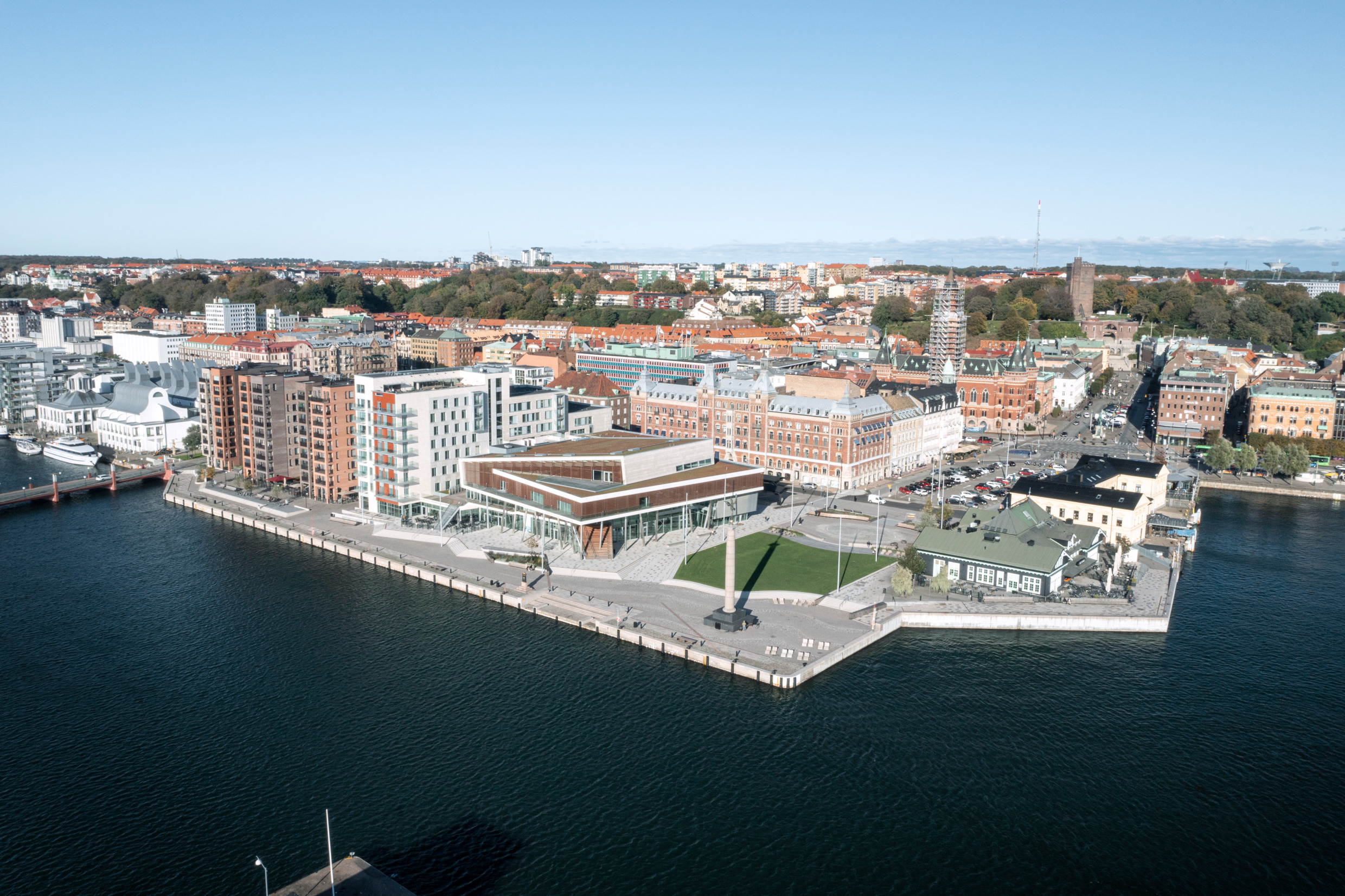
Helsingborg is among Sweden’s oldest cities, with a history stretching back more than 900 years. Its location along the narrowest point of the Öresund Strait made it strategically vital throughout the Middle Ages, particularly during centuries of rivalry between Sweden and Denmark. The city changed hands numerous times before officially becoming Swedish in the 17th century.
 Photo by Aliaksei Lepik on Unsplash
One of Helsingborg’s most iconic landmarks is Kärnan, the medieval tower that still dominates the skyline. Originally part of a large fortress complex built in the 14th century, Kärnan offers panoramic views over the city and across the sea to Denmark. Around the tower, visitors can wander through charming historic districts where narrow lanes and centuries-old buildings reveal traces of Helsingborg’s past.
The city’s historic churches, elegant townhouses, and preserved fortifications create a fascinating blend of medieval and modern Scandinavian architecture. Helsingborg has carefully preserved its heritage while evolving into one of Sweden’s most progressive and livable urban centers.
Coastal Beauty and Scenic Waterfront Living
 Photo by Hanseric Orre on Unsplash
Helsingborg’s geography is one of its defining attractions. Positioned directly on the coast, the city rises dramatically from the waterfront, creating scenic viewpoints and terraces overlooking the sea. The harbor area buzzes with life year-round, while long promenades invite leisurely walks beside the water.
 Photo by Dzmitry Dudov on Unsplash
The city is surrounded by beautiful natural landscapes, including sandy beaches, rolling countryside, forests, and nature reserves. Sofiero Palace and Gardens, located just north of the city center, is widely considered one of Sweden’s most beautiful royal parks. Famous for its rhododendron blooms and sea views, Sofiero attracts visitors from around the world during spring and summer.
The nearby Kullaberg Peninsula offers dramatic cliffs, hiking trails, and opportunities for kayaking and wildlife experiences, making Helsingborg an excellent base for outdoor adventures in southern Sweden.
Best Time to Visit Helsingborg
Helsingborg is a year-round destination, though the most popular months are from late spring through early autumn. Between May and September, the city enjoys long daylight hours, mild temperatures, and vibrant outdoor life. Summer brings lively festivals, outdoor dining, harbor events, and opportunities to enjoy beaches and ferry excursions.
Spring is particularly beautiful when parks and gardens come into bloom, especially at Sofiero Palace. Autumn offers colorful landscapes and a quieter atmosphere ideal for cultural exploration and countryside excursions. Winters are relatively mild compared to northern Sweden, and the city’s cozy cafés, festive Christmas markets, and seaside atmosphere create a distinctly Scandinavian charm.
Culture, Language, and Everyday Life in Helsingborg
Swedish is the official language in Helsingborg, though English is widely spoken throughout the city, making it especially accessible for international travelers. The local culture reflects the relaxed and welcoming lifestyle typical of southern Sweden, combined with a strong appreciation for design, sustainability, and outdoor living.
Helsingborg has a population of approximately 150,000 residents, making it one of Sweden’s larger cities while still maintaining an intimate and friendly atmosphere. The city is known for its innovation and environmental focus, with extensive cycling infrastructure and green urban planning integrated into daily life.
The currency used is the Swedish krona (SEK). Card payments are widely accepted, and Sweden is one of the world’s most cashless societies, making transactions easy and convenient for visitors.
Gastronomy and Scandinavian Culinary Experiences
Food lovers will find Helsingborg increasingly exciting. The region of Skåne is famous for its fertile farmland and fresh local ingredients, which shape the city’s culinary identity. Restaurants emphasize seasonal produce, fresh seafood, artisanal cheeses, and contemporary Nordic cooking techniques.
The city’s waterfront dining scene is especially popular during summer, when visitors can enjoy locally caught fish, Swedish classics, and innovative cuisine with sea views. Cozy bakeries and cafés also form an essential part of Helsingborg’s culture, offering traditional cinnamon buns, pastries, and expertly brewed coffee in stylish Scandinavian settings.
Local markets and nearby vineyards further contribute to Helsingborg’s growing reputation as a culinary destination in southern Sweden.
Why Helsingborg Deserves a Place on Your Sweden Itinerary
Helsingborg offers a perfect balance of history, coastal beauty, culture, and modern Scandinavian elegance. Its unique location between Sweden and Denmark, combined with its charming atmosphere and rich heritage, creates a destination that feels both sophisticated and approachable. Whether you are drawn by medieval landmarks, scenic waterfronts, Nordic cuisine, or the tranquility of southern Sweden’s landscapes, Helsingborg delivers an authentic and memorable travel experience.
For travelers seeking a Swedish city that combines culture, relaxation, and natural beauty without the crowds of larger capitals, Helsingborg stands out as one of Scandinavia’s most rewarding hidden gems.
Helsingborg
1) Sport & Action
Kitesurfing & Windsports
- Råå Vallar Beach – South of Helsingborg, this long sandy coastline offers reliable southwest winds and open water conditions. Popular with kitesurfers and windsurfers looking for less crowded sessions than Malmö's beaches. Best during spring and autumn wind systems.
- Domsten & Viken Coastline – Small coastal villages north of Helsingborg with scenic Öresund views and good wind exposure. Suitable for experienced riders due to varying launch conditions.
- Öresund Sea Kayaking – The coastline between Helsingborg and Höganäs offers calm summer paddling with views toward Denmark. Guided tours typically cost 600–1,200 SEK.
Running & Outdoor Fitness
- Pålsjö Forest (Pålsjö Skog) – A beautiful coastal forest with rolling trails, steep ravines, and sea viewpoints. Excellent for trail running and interval training.
- Landborg Promenade – Helsingborg's elevated coastal ridge provides one of Sweden's most scenic urban running routes, overlooking the sea and Denmark.
Swimming & Cold Bathing
- Fria Bad – A popular city bathing area with wooden platforms, clean water, and sunset views across the strait.
- Kallis (Cold Bath House) – Traditional Scandinavian sea bathing experience with saunas and year-round swimming. Entry typically 80–150 SEK.
2) Excursions & Discoveries
Sofiero Castle & Gardens
- Sofiero Slott – A former royal summer residence famous for its rhododendron gardens overlooking the Öresund. The flowering season from May to June is particularly spectacular. Entry usually around 140–170 SEK for adults. ([www.sofiero.se][1])
Helsingør (Denmark)
- The ferry crossing to Denmark takes approximately 20 minutes and operates throughout the day with frequent departures. Helsingør offers charming cobbled streets, maritime history, and Kronborg Castle, known as Shakespeare's Hamlet castle. Pedestrian ferry tickets typically cost around 90–150 SEK round trip. ([ØRESUNDSLINJEN][2])
Kullaberg Nature Reserve
- About 40 minutes north by car. Dramatic sea cliffs, caves, lighthouse viewpoints, and some of southern Sweden's most impressive coastal scenery. Excellent for hiking, climbing, and wildlife observation.
Mölle
- Historic seaside village with a relaxed atmosphere, harbor cafés, and access to Kullaberg's trails. Particularly attractive during summer evenings.
Ven Island
- A small island in the Öresund known for cycling, local farms, and rolling landscapes. Reachable via seasonal ferries from nearby ports.
3) Hiking
Kullaberg Coastal Trail
- Starting Point: Kullens Lighthouse
- Distance: 10–18 km (various sections)
- Elevation Gain: 300–500 m
- Difficulty: Moderate to Advanced
- Terrain: Rocky coastal paths, forest trails
- Experience: Spectacular cliffs, sea caves, and panoramic views over the Kattegat and Öresund.
Landborgpromenaden
- Starting Point: Helsingborg City Center
- Distance: 8–10 km
- Elevation Gain: 150 m
- Difficulty: Easy
- Terrain: Urban park paths and coastal promenades
- Experience: Combines city views, sea panoramas, gardens, and historic architecture.
Pålsjö Forest Loop
- Starting Point: Pålsjö Castle Area
- Distance: 5–8 km
- Elevation Gain: 100–150 m
- Difficulty: Easy to Moderate
- Terrain: Forest trails
- Experience: Quiet woodland atmosphere with occasional sea viewpoints.
Kullaleden Stage (Arild–Mölle)
- Distance: 11 km
- Elevation Gain: 250 m
- Difficulty: Moderate
- Terrain: Coastal trail
- Experience: Fishing villages, dramatic shoreline, and open sea views.
4) Cycling Routes
Helsingborg–Höganäs Coastal Route
- Distance: 30 km one way
- Elevation: Mostly rolling
- Surface: Asphalt cycle paths
- Difficulty: Easy
- Experience: Continuous sea views, beaches, harbors, and charming coastal villages.
Kattegattleden Segment
- Distance: Flexible (20–100+ km)
- Elevation: Mostly moderate
- Surface: Road cycling route
- Difficulty: Easy to Moderate
- Experience: One of Sweden's premier cycling routes following the coast through fishing villages and farmland.
Kullaberg MTB Trails
- Distance: 10–30 km
- Elevation: Steep sections
- Surface: Forest and rocky trails
- Difficulty: Advanced
- Experience: Technical riding through rugged coastal terrain.
5) Culinary Experiences
Helsingborg has one of southern Sweden's strongest restaurant scenes outside Malmö and Stockholm. The highest concentration of restaurants is found around:
- City Center
- Kullagatan shopping district
- Harbor area
- Oceanhamnen waterfront
- Råå harbor district
Typical Regional Foods
- Fresh herring and seafood from the Öresund.
- Smoked fish products.
- Skåne-style beef dishes.
- Seasonal asparagus and locally grown vegetables.
- Danish-influenced pastries due to proximity to Helsingør.
- Traditional "Bulle med bulle" (sweet bread with chocolate milk bread inside), a local specialty highlighted by tourism authorities. ([Visit Helsingborg][3])
Price Levels
- Breakfast café: 90–180 SEK
- Casual lunch: 130–220 SEK
- Casual dinner: 220–400 SEK
- Upscale dining: 700–1,500+ SEK
- Coffee: 35–55 SEK
- Soft drink: 30–45 SEK
- Local beer: 75–120 SEK
- Wine by glass: 100–180 SEK
- Wine bottle: 450–1,200+ SEK
Reservations are recommended on summer weekends and during major events.
6) Season & Timing
Spring (April–June)
- Best for gardens and hiking.
- Sofiero's rhododendron bloom peaks in late May and June. ([www.sofiero.se][1])
- Temperatures: 10–20°C.
Summer (June–August)
- Best for cycling, swimming, kayaking, and outdoor dining.
- Temperatures: 20–28°C.
- Peak tourist season.
Autumn (September–October)
- Excellent wind conditions for kitesurfing.
- Fewer crowds and colorful forests.
Winter (November–March)
- Cold-bathing culture becomes popular.
- Temperatures generally range from -3°C to 6°C.
- Suitable for city breaks and coastal walks.
7) Equipment & Rentals
Cycling
-
City bikes and e-bikes available.
-
Rental prices:
- Standard bike: 250–450 SEK/day
- E-bike: 450–800 SEK/day
Watersports
-
Seasonal rental providers around the Skåne coast.
-
Kitesurf equipment:
- Full set rental: 700–1,500 SEK/day
- Lessons: 1,200–2,500 SEK/session
Kayaks
- Single kayak: 300–600 SEK/day
- Guided tours: 600–1,200 SEK
Visitors should pre-book bikes, watersports equipment, guides, rental cars, and lessons well in advance, especially from May through August. Availability can fluctuate significantly due to weather, holiday weekends, and local demand. Last-minute bookings often result in reduced equipment choice, higher prices, or complete unavailability.
8) Logistics
Airports
Copenhagen Airport (CPH)
- Distance: ~95 km
- Transfer time: 1–1.5 hours by train
- Train cost: approximately 180–300 SEK
Ängelholm–Helsingborg Airport (AGH)
- Distance: ~35 km
- Transfer time: 30–40 minutes
- Taxi: approximately 500–900 SEK
Malmö Airport (MMX)
- Distance: ~90 km
- Transfer time: 1–1.5 hours by car
Train Access
- Excellent rail connections from Copenhagen, Malmö, Gothenburg, and Stockholm.
- Central station located directly beside the ferry terminal.
Ferry to Denmark
- Helsingborg–Helsingør crossing takes approximately 20 minutes with frequent departures throughout the day. ([ØRESUNDSLINJEN][2])
- Walk-on passenger tickets generally 90–150 SEK return.
- Vehicle pricing varies seasonally.
Car Rental
-
Useful for Kullaberg, Mölle, Arild, and wider Skåne exploration.
-
Typical rates:
- Economy car: 500–1,200 SEK/day
- SUV: 900–2,000 SEK/day
Advance booking is highly recommended during summer, particularly for rental cars and ferry-heavy holiday weekends.
9) Shopping
Kullagatan
- Sweden's oldest pedestrian shopping street.
- Mix of Scandinavian fashion, outdoor equipment, design stores, and cafés.
- Mid- to premium-price range.
Väla Centrum
- One of Sweden's largest shopping centers.
- Excellent selection of international and Nordic brands.
- Worth visiting for sportswear, outdoor gear, and Swedish design products.
Recommended Products
Outdoor & Sports
- Fjällräven backpacks (1,200–3,500 SEK)
- Haglöfs outdoor clothing (800–5,000 SEK)
- Peak Performance apparel (600–4,000 SEK)
- Craft cycling and running gear (300–2,500 SEK)
Swedish Design
- Orrefors crystal products (300–5,000+ SEK)
- Kosta Boda glassware (250–4,000 SEK)
- Design House Stockholm accessories (200–2,000 SEK)
Food & Local Specialties
- Skåne mustard varieties
- Local jams and berry products
- Artisan chocolates
- Aquavit and Scandinavian beverage products (where legally available)
- Specialty roasted coffee from Swedish roasters
Coastal & Lifestyle Goods
- Marine-inspired Scandinavian home décor.
- Wool blankets and textiles from Swedish brands.
- Handmade ceramics from local Skåne artisans.
Notice: Prices, transport conditions, healthcare access, regulations, opening hours, and public services may change over time. Travelers should verify important details with official local sources before making final travel decisions.
Helsingborg
Best Excursions from Helsingborg: 10 Scenic Day Trips Within 1.5 Hours
1. Kullaberg Nature Reserve and Mölle
After around 40 minutes by car from Helsingborg, the landscape changes dramatically as steep cliffs rise above the Kattegat. Kullaberg offers some of southern Sweden's most striking coastal scenery, with hiking trails winding through beech forest before reaching rocky viewpoints overlooking the sea.
The small harbor village of Mölle adds a relaxed seaside atmosphere, especially in the early morning when fishing boats are returning and cafés begin opening along the waterfront.
Public transport: Bus connections via Höganäs and Mölle typically take about 1 hour 15 minutes. The reserve itself requires additional walking from the village, making this one of the easier car-free excursions in the region.
2. Söderåsen National Park
Within 45 minutes by car, you can reach a completely different landscape of deep ravines, dense forests, and elevated viewpoints. The hike to Kopparhatten lookout remains one of the most rewarding walks in Skåne, particularly during autumn when the forest canopy turns copper and gold.
The park feels surprisingly remote despite being close to the coast, and many visitors are surprised by how rugged the terrain becomes.
Public transport: Trains and buses via Klippan usually require 1.5–2 hours. Public transport works, but a car allows much greater flexibility for exploring multiple trailheads.
3. Hovs Hallar
The drive takes just over one hour from Helsingborg, following some of the most attractive coastal roads in northwestern Skåne. Hovs Hallar is a windswept stretch of rocky shoreline where stone formations, sea views, and open grasslands create a distinctly Scandinavian coastal atmosphere.
Photographers often arrive near sunset when the low light highlights the textures of the rocks.
Public transport: Reachable by train and bus via Båstad, but the final stretch involves walking. Total travel time is usually around 2 hours.
4. Båstad
After roughly 55 minutes on the road, you'll arrive in one of Sweden's best-known seaside towns. Outside the tennis crowds of summer, Båstad offers a quieter experience with waterfront walks, cafés overlooking the harbor, and access to the Hallandsåsen ridge.
The surrounding countryside is especially pleasant during spring when orchards begin flowering.
Public transport: Direct trains from Helsingborg reach Båstad in about 40 minutes, making this one of the simplest day trips without a car.
5. Ven Island
The journey combines a short drive or train ride to Landskrona followed by a ferry crossing. The entire trip generally takes about 1 hour from Helsingborg.
Ven's appeal lies in its calm pace. Visitors often rent bicycles immediately upon arrival and spend the day moving between farmland, sea cliffs, and small villages connected by quiet roads.
Public transport: Excellent. Train to Landskrona followed by the ferry takes roughly 1 hour 15 minutes depending on connections.
6. Ängelholm and the Rönne River
Located around 35 minutes by car, Ängelholm offers a pleasant mix of coastal scenery and riverside walks. The paths along the Rönne River are particularly enjoyable during warmer months, with cafés and green spaces close to the water.
Many visitors focus only on the beach, but the river environment often becomes the most memorable part of the day.
Public transport: Direct trains reach Ängelholm in around 20 minutes, making it one of the most accessible excursions from Helsingborg.
7. Hallands Väderö
This island nature reserve feels far removed from the mainland despite being relatively close. Reaching the ferry terminal near Torekov takes about 1 hour by car, followed by a short boat crossing.
The island is known for open meadows, old forests, and quiet beaches where seals are frequently spotted offshore.
Public transport: Possible but slow. Expect around 2–2.5 hours using trains, buses, and the ferry. A car significantly simplifies the journey.
8. Bosjökloster Castle and Lake Ringsjön
Within approximately 1 hour 10 minutes by car, you'll reach one of Skåne's most atmospheric historic estates. The grounds combine gardens, woodland paths, and lake views that encourage a slower pace than many larger tourist sites.
Spring and early summer are especially rewarding when the gardens are at their most vibrant.
Public transport: Train and bus connections usually take around 1 hour 45 minutes. Some walking is required from nearby stops.
9. Kivik and Österlen's Coastal Landscape
The drive takes around 1 hour 30 minutes, bringing you to a part of Skåne known for rolling countryside, orchards, and a coastline that feels noticeably different from the northwest.
The route itself is part of the experience, particularly during apple harvest season when roadside farm shops become busy with local produce.
Public transport: Travel times generally exceed 2.5 hours, making this destination much more practical by car.
10. Ales Stenar
Located near Kåseberga, this ancient stone monument can be reached in about 1 hour 25 minutes by car. Positioned high above the Baltic Sea, the setting creates a strong sense of place, especially on windy days when the coastline feels wild and exposed.
Arriving early in the morning often provides the most peaceful experience before tour groups appear.
Public transport: Bus and train combinations typically require around 2.5 hours. The final walk from Kåseberga adds to the travel time but offers beautiful coastal views.
When to Go
- Spring: Söderåsen, Bosjökloster, Ven
- Summer: Hallands Väderö, Mölle, Båstad
- Autumn: Kullaberg, Söderåsen, Kivik
- Year-round: Hovs Hallar, Ales Stenar, Ängelholm
These excursions showcase the remarkable variety surrounding Helsingborg, from dramatic sea cliffs and forested valleys to islands, historic estates, and some of southern Sweden's most rewarding coastal drives.
Helsingborg
Historical & Context Overview
Helsingborg is one of Sweden’s oldest cities, with documented city rights dating back to around 1085. It sits on the narrowest part of the Øresund strait, only about 4 km from Denmark across the water. Today, Helsingborg has roughly 115,000–120,000 residents in the urban area, while the wider municipality has around 150,000 inhabitants. The broader northwestern Scania economic region reaches roughly 300,000+ people. ([Wikipedia][1])
Nearby towns include:
- Helsingør (Denmark) – ~47,000 residents, 4 km away across the strait
- Landskrona – ~35,000 residents, 25 km south
- Ängelholm – ~30,000 residents, 30 km north
- Lund – ~98,000 residents, 55 km south
- Malmö – ~340,000 residents, 65 km south ([Wikipedia][1])
The city has a noticeably Danish influence due to centuries of shared history and daily cross-border commuting. Compared with Stockholm or Gothenburg, Helsingborg feels more compact and easier to navigate, with most daily needs reachable on foot within 20–30 minutes.
Getting Around & Mobility
Helsingborg is very walkable. The city center is relatively compact, although some streets climb steeply from the waterfront toward higher residential districts.
Walking:
- City center end-to-end: roughly 2–3 km.
- Waterfront promenades are popular and generally well maintained.
- Expect strong winds near the coast, especially from autumn through spring.
Cycling:
- Extensive cycling infrastructure.
- Bike parking is common near transport hubs and shopping streets.
- Locals generally obey cycle lanes, and pedestrians are expected not to walk in them.
Typical bike rental:
- €10–20 per day.
- Monthly rental schemes may range around €20–40.
E-scooters:
- Widely available during warmer months.
- Typical unlock fee: €1.
- Usage cost: €0.15–0.30 per minute.
Cars:
- Driving is straightforward compared with larger Swedish cities.
- Parking in central areas typically costs €1.50–4 per hour.
- Many parking zones use app-based payment systems with limited cash options.
Public Transport & Taxis
Public transport consists mainly of buses and regional trains connecting nearby cities and towns. The network is reliable and generally punctual. ([BusMaps][2])
Typical fares:
- Single city ticket: €2.50–4.
- Day ticket: €7–12.
- Regional trips to nearby towns: €5–15 depending on distance.
Ticketing:
- Buying tickets onboard can be limited or more expensive.
- Digital tickets and contactless payment methods are increasingly preferred.
- Inspectors occasionally conduct checks.
Taxis: Sweden has a deregulated taxi market, so prices vary significantly. Always check the displayed comparison price before entering. ([Taxi Calculator][3])
Typical taxi costs:
- Start fee: around €5–6.
- 5 km trip within the city: €15–25.
- 10 km trip: €25–35.
- Airport transfers often cost €50–150 depending on destination. ([helsingborgtaxi.se][4])
Many locals use trains rather than taxis for longer regional journeys.
Costs & Everyday Prices
Helsingborg is slightly cheaper than Stockholm but still expensive by European standards.
Typical prices:
- Coffee: €3–5
- Pastry: €2–4
- Fast food meal: €8–12
- Casual restaurant meal: €15–25
- Mid-range dinner: €25–45
- Beer in a bar: €6–9
- Supermarket sandwich: €4–7
- Bottle of water: €1.50–3
Groceries:
- 1 liter milk: €1.20–1.80
- Bread loaf: €2–4
- Eggs (12): €3–5
- Local transport ticket: €2.50–4
Public toilets:
- Usually €0.50–1.
- Many shopping centers and transport hubs provide free facilities.
- Public toilet maps are commonly available online through city services. ([Välkommen till Helsingborg city!][5])
Food Culture & Eating Habits
Meal times are earlier than in Southern Europe.
Typical schedule:
- Breakfast: 06:30–09:00
- Lunch: 11:30–13:30
- Dinner: 17:30–20:00
Lunch specials are very common on weekdays and often provide the best value meal of the day, usually costing €10–15 including salad, bread, coffee, and water.
Many restaurants close kitchens surprisingly early compared with Mediterranean countries. Arriving after 21:00 can significantly reduce available options, especially outside weekends.
Tap water is excellent and safe to drink throughout the city.
Payments & Tipping Culture
Sweden is one of Europe's most cashless societies.
You can comfortably spend several days without seeing cash.
Accepted everywhere:
- Debit cards
- Credit cards
- Contactless payments
- Mobile wallets
Cash:
- Some businesses do not accept it at all.
- Small purchases are routinely paid electronically.
Tipping:
- Not expected.
- Service charges are included.
- Rounding up or adding 5–10% for excellent service is appreciated but not necessary.
Self-service systems:
- Self-checkout machines are extremely common in supermarkets.
- You may need to scan receipts when leaving certain automated areas.
- Ticket barriers are rare compared with many European cities.
Safety
Helsingborg is generally safe for visitors.
Common issues:
- Bicycle theft.
- Opportunistic pickpocketing in busy transport areas.
- Occasional nightlife disturbances on weekend evenings.
Emergency number:
- 112
Women traveling alone generally report feeling safe in central areas, although some suburban transport hubs can feel quiet late at night.
Healthcare
Healthcare standards are very high.
EU/EEA visitors:
- European Health Insurance Card (EHIC) generally provides access to necessary care.
Non-EU visitors:
- Strongly advised to carry travel insurance.
Pharmacies:
- Usually open 09:00–18:00 weekdays.
- Reduced hours on weekends.
- Emergency pharmacy services are available.
Minor medical consultations:
- Typically €15–40 for residents with Swedish healthcare coverage.
- Visitors may pay considerably more.
Practical Information
Language:
- Swedish is the main language.
- English proficiency is excellent.
Electricity:
- Type C and F plugs.
- 230V.
Opening hours:
- Shops: usually 10:00–18:00 weekdays.
- Saturdays: 10:00–16:00.
- Sundays: often 12:00–16:00. ([Välkommen till Helsingborg city!][5])
Supermarkets:
- Usually 07:00–22:00.
- Some larger stores open longer.
Weather:
- Winter (Dec–Feb): 0–5°C, windy and damp.
- Spring (Mar–May): 5–15°C.
- Summer (Jun–Aug): 18–25°C.
- Autumn (Sep–Nov): 5–15°C with frequent coastal winds.
Dress:
- Windproof outer layers are useful year-round.
- Waterproof shoes are often more valuable than heavy winter gear.
Atmosphere:
- Summer feels lively, especially along the waterfront.
- Winter is noticeably quieter.
- Sundays can feel particularly calm compared with larger cities.
Pitfalls & Things to Be Aware Of
Taxi pricing can vary dramatically
Unlike many countries, Sweden's taxi market is deregulated. Two taxis parked beside each other can charge very different rates. Always check the comparison price displayed on the vehicle. ([Taxi Calculator][3])
Many places are effectively cashless
Even though cash remains legal tender, some businesses refuse it. Carry a payment card.
Restaurants may close earlier than expected
Especially outside Friday and Saturday evenings. Arriving after 21:00 can leave limited dining options.
Coastal wind is stronger than temperatures suggest
A summer day at 20°C can feel much cooler near the waterfront due to wind coming off the strait.
Public transport tickets are easier to buy before boarding
Last-minute purchases can be more complicated than travelers expect.
Parking enforcement is strict
Incorrect parking can result in expensive fines. Always check signs carefully, especially regarding time restrictions.
Bicycle lanes are taken seriously
Stepping into cycle lanes while looking at your phone may quickly result in an annoyed cyclist passing at speed.
Sunday shopping is limited compared with weekdays
While many stores remain open, hours are shorter and some businesses close entirely.
Public toilets are not always obvious
Many are located inside shopping centers, transport hubs, or municipal buildings rather than directly on streets. ([Välkommen till Helsingborg city!][5])
Cross-border travel to Denmark feels easy, but check documentation
Although travel is routine, identification requirements and transport rules can change.
Notice: Prices, opening hours, transport conditions, regulations, healthcare access, and service availability may change over time. Travelers should verify important details through official sources before making final travel decisions or using specific services.
Castles, Coastal Walks & Nordic Charm in Helsingborg
Kärnan & the Medieval Heart of the City
Helsingborg’s defining silhouette is Kärnan, the surviving tower of a vast medieval fortress that once guarded the narrow strait between Sweden and Denmark. Rising above the city center, it offers one of the most rewarding panoramic viewpoints in southern Sweden. From the top, ferries glide constantly across the Öresund while the Danish coastline feels almost within reach. The surrounding old quarter is compact and elegant, with cobbled streets, quiet courtyards, and handsome Nordic architecture that reveal Helsingborg’s long maritime history.
Kärnan sits directly in the city center, within a 5-minute walk from Helsingborg Central Station.
Stortorget & the Civic Elegance of Downtown
Helsingborg’s central square, Stortorget, feels refined without becoming overly formal. Framed by grand historic buildings and anchored by the striking neo-Gothic City Hall, the area blends everyday Swedish life with understated grandeur. Cafés spill onto the sidewalks during warmer months, and the streets around Kullagatan create one of Sweden’s oldest pedestrian shopping districts.
This is the practical and cultural center of Helsingborg, ideal for beginning a walking exploration of the city.
Dunkers Kulturhus & the Waterfront Promenade
Few Scandinavian cultural centers occupy a setting as beautiful as Dunkers Kulturhus. Positioned directly along the harbor, this modern cultural complex combines exhibitions, design, music, and local history with uninterrupted sea views. Even visitors uninterested in museums often come simply for the atmosphere and architecture.
Outside, the waterfront promenade stretches northward along the coast, becoming one of Helsingborg’s greatest pleasures. The walk combines sea air, marina views, public art, and a distinctly relaxed southern Swedish mood.
Dunkers lies roughly 700 meters from the central station, around a 10-minute waterfront walk.
Sofiero Palace & Gardens
North of the city center lies Sofiero, one of Sweden’s most beautiful royal estates. The former summer residence of the Swedish royal family is celebrated less for its palace interiors and more for its extraordinary gardens. During spring and early summer, the rhododendron displays are spectacular, while the elevated grounds provide sweeping views across the strait toward Denmark.
The atmosphere here feels deeply Scandinavian: refined, quiet, and intertwined with nature. Visitors often spend hours simply wandering between woodland paths, flower terraces, and coastal lawns.
Sofiero is located approximately 5 km north of central Helsingborg, around 15 minutes by car or 20 minutes by local bus.
Pålsjö Forest & the Northern Coastline
Just beyond Sofiero, Helsingborg transitions beautifully into forest and sea. Pålsjö Forest offers shaded walking trails that descend toward quiet beaches and dramatic coastal scenery. The contrast between dense greenery and open sea creates one of the city’s most peaceful escapes.
The coastline here feels markedly different from southern European seaside destinations. Instead of beach clubs and crowds, there are cold-water bathing piers, windswept cliffs, and tranquil Nordic restraint.
The forest begins around 4 km from the city center and is easily reached by bicycle or bus.
Tropical Beach & Fria Bad
In summer, Helsingborg’s urban beaches become surprisingly lively. Tropical Beach, with its imported palm trees and harbor backdrop, has a playful atmosphere unusual for Scandinavia. Nearby Fria Bad feels more local and relaxed, especially in the evening when residents gather for sunset swims and long conversations by the water.
Both beaches remain within walking distance of downtown, giving Helsingborg an unusually effortless blend of city and coast.
Fredriksdal Open-Air Museum & Botanical Gardens
Fredriksdal is among the most rewarding cultural experiences in the region. Part open-air museum, part botanical garden, part living historical landscape, it recreates traditional Scanian life through preserved farmhouses, heritage gardens, and roaming animals.
Unlike more polished tourist attractions, Fredriksdal feels authentic and deeply rooted in regional identity. It provides valuable context for understanding southern Sweden’s agricultural and cultural traditions.
The museum sits roughly 2.5 km from the city center, around 10 minutes by car or 25 minutes on foot.
Råå: Helsingborg’s Historic Fishing Village
South of the city center, Råå offers a quieter and more intimate side of Helsingborg municipality. Once an important fishing village, it still retains low wooden houses, narrow lanes, and a calm maritime atmosphere. The small harbor and beachfront promenades make it particularly appealing during warm evenings.
Råå feels removed from urban life despite being only about 6 km from central Helsingborg.
Day Trip to Ven Island
One of the region’s finest excursions is the island of Ven, located in the Öresund between Sweden and Denmark. Ferries depart from Helsingborg during the season, transporting visitors to a landscape of rolling fields, dramatic coastal cliffs, and cycling paths that seem designed for slow Scandinavian summer days.
The island is compact enough to explore by bicycle in a day, yet atmospheric enough to linger much longer.
Hidden gems
Gröningen at Sunset
This long coastal park north of the harbor becomes magical during golden hour. Locals gather with blankets, takeaway coffee, and picnic baskets while the evening light softens over the strait. On clear nights, the Danish coast glows quietly across the water.
Vikingsberg
Often overlooked by visitors, this elegant former villa and cultural space sits tucked above the coastline near Pålsjö. The surrounding gardens and sea views feel wonderfully secluded.
The Cold Bath Houses
Helsingborg’s bathing culture is an experience in itself. Several traditional sea bath piers allow visitors to swim directly in the Öresund year-round, including winter. Watching locals calmly descend into icy water reveals a distinctly Nordic ritual that few tourists fully discover.
Café Life Around Mariatorget
While many visitors remain near the waterfront, the Mariatorget area offers some of Helsingborg’s most charming cafés and quieter streets. The atmosphere here feels more residential and local, especially on slow weekend mornings.
Helsingborg to Helsingør Ferry Crossing
The ferry to Denmark is not merely transportation — it is part of the experience. The crossing takes only around 20 minutes, yet offers one of Scandinavia’s most beautiful short sea journeys, with castle views, shifting light, and constant maritime activity across the narrow strait.
Places in Helsingborg
Kärnan TowerLandmark

