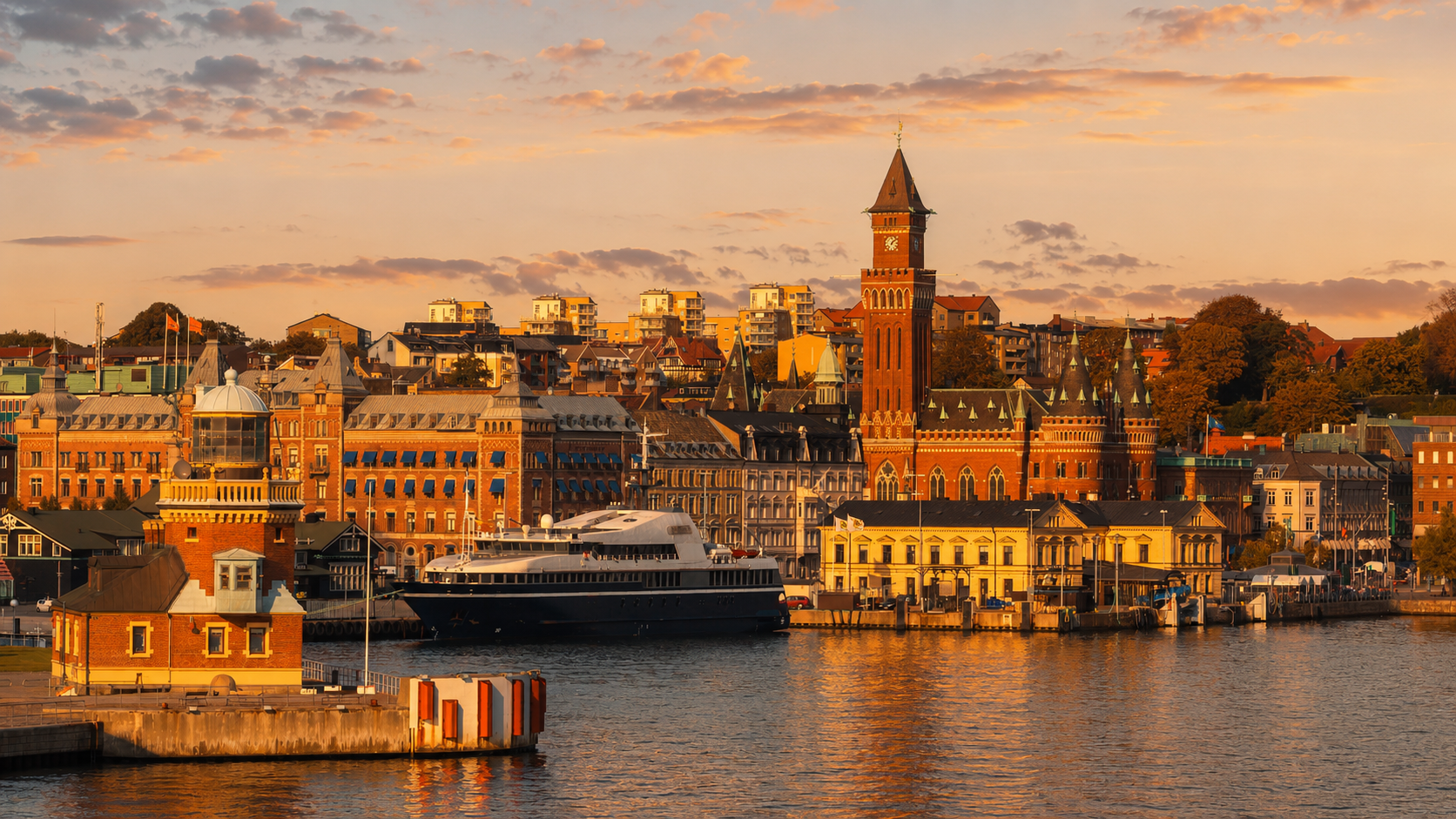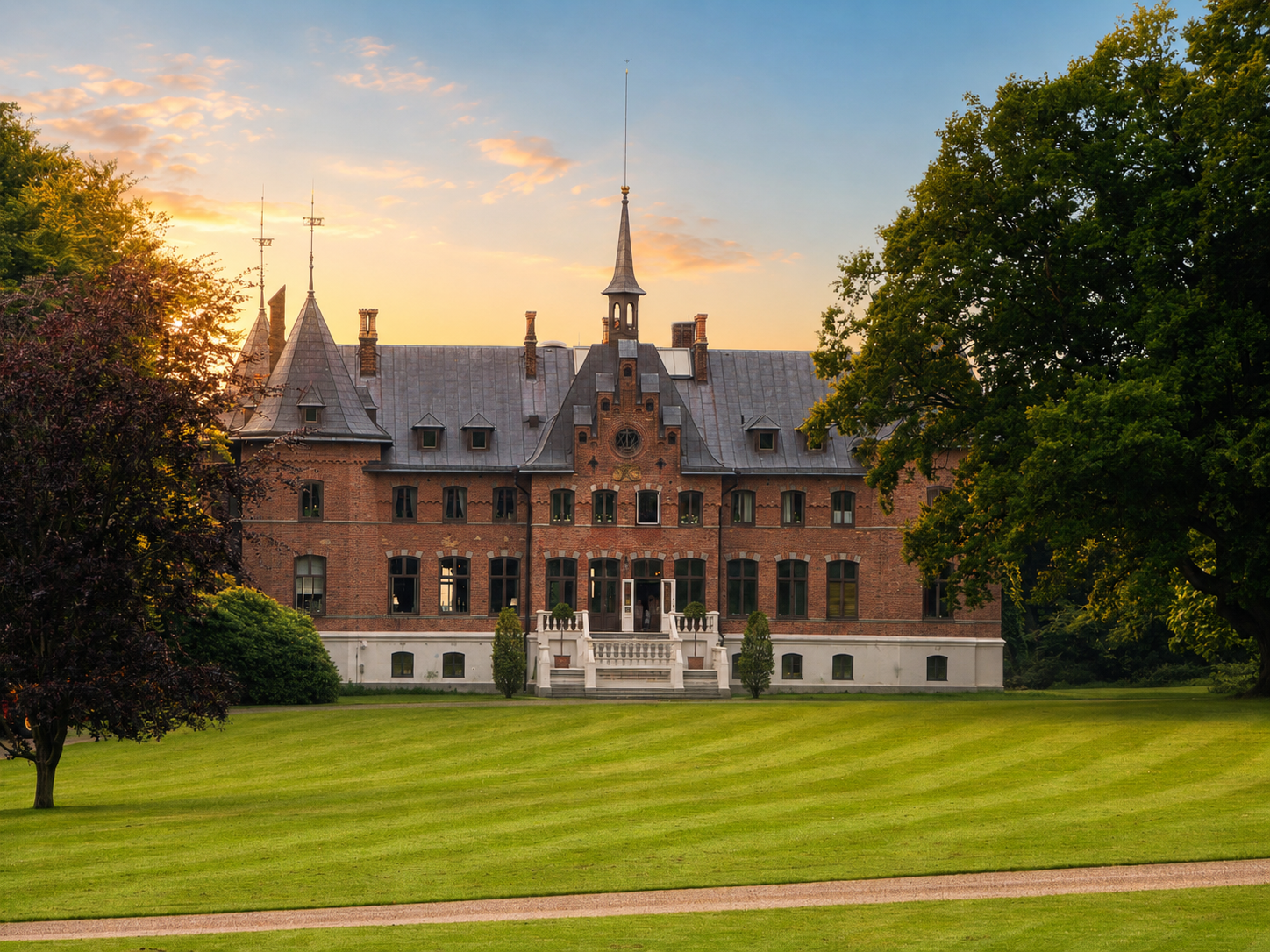
Glumslöv rewards travellers who enjoy giving a short break two different rhythms: time outdoors on foot, followed by an evening devoted to dinner and a comfortable place to stay. Its appeal is less about collecting major sights than finding a satisfying balance between open landscapes and a deliberately leisurely holiday. For an autumn visit, that is a useful starting point: build the trip around a walk and a booked experience, rather than expecting a summer resort programme.
The names that help explain the destination are Glumslövs backar, Hilleshögs dalar and Maryhill Estate. The first two introduce a landscape of grazed hills, valleys and sandy coastal cliffs; the hotel adds pools, restaurants and an increasingly substantial wine programme. They offer quite different ways of spending a day. Independent walkers can make the landscape their main event, while hotel guests can give just as much attention to the pool and dinner table.
Walking through a landscape with a past
The hills are more than a scenic backdrop. Ice-age processes shaped the valleys, and later generations left traces of defence and industry. Hilleshögs dalar preserves earthworks associated with Charles XII’s early eighteenth-century defences, while discarded bricks recall the brickworks that once used the coastal clay. Those fragments give a walk a second subject: the changing uses of the land.
Skåneleden and the marked Sandbergen loop offer ways to explore on foot. These are outdoor paths through an uneven landscape, rather than a formal garden promenade. Choose a walk that suits the time and energy you want to spend, leaving room to stop and look at the terrain.
A resort stay with two personalities
Maryhill Estate reopened the former Örenäs Slott hotel complex under its present identity in November 2024. Sugar Club is the larger resort setting; Hill House provides the smaller, historic hotel experience. Restaurants, heated pools and social spaces make the estate a reason to plan an overnight stay in its own right.
The contrast is useful when deciding what kind of break to book. A walk-led visit and a food-and-pool weekend can share the same destination without needing the same itinerary. Families should pay particular attention to the Pool Club’s age conditions and school-holiday sessions.
An autumn break built around experiences
Food, wine and walking give Glumslöv an appeal beyond a conventional beach holiday. Maryhill’s seasonal wine experiences add a specific reason to travel, but their dates and inclusions need to be checked for the intended stay. For a simpler visit, choose a walk, reserve the meal you want and allow the rest of the day to unfold without a long sightseeing list.
Choosing a walk in Glumslöv
Glumslövs backar is a walking landscape of open hills, sandy paths and coastal cliffs. Skåneleden SL5, stage 8, uses both shoreline roads and paths along the bluffs. The changing surfaces are part of the appeal, but this is a different proposition from an uninterrupted paved promenade.
For an autumn outing, decide whether you want a marked loop or a longer stage before setting off. Use the current trail map and footwear suited to uneven paths; a hotel pool visit and a substantial walk need not occupy the same part of the day.
The Sandbergen loop
The brown-marked Sandbergen-slingan provides a circular walk through Hilleshögs dalar. It introduces the grazed hills and valley landscape, with a section shared with Skåneleden. The combination of pastures, sandy cliffs and historic remains gives the walk interest beyond the views alone.
A longer Skåneleden outing
The Rydebäck–Landskrona stage is an alternative for walkers seeking a more sustained outing. Region Skåne describes sandy tracks, cliff-edge sections and shoreline roads, and identifies railway stations at the stage’s endpoints. Plan the walk using the official route information rather than treating every path as equally easy.
Respect the reserve
Hilleshögs dalar has specific conservation rules. Dogs must be physically leashed, cycling is restricted to roads, and visitors must not disturb grazing animals. Camping is prohibited; fires are prohibited except when using a camping stove. These restrictions make it important to plan a walking visit rather than assume the reserve permits all forms of outdoor recreation.