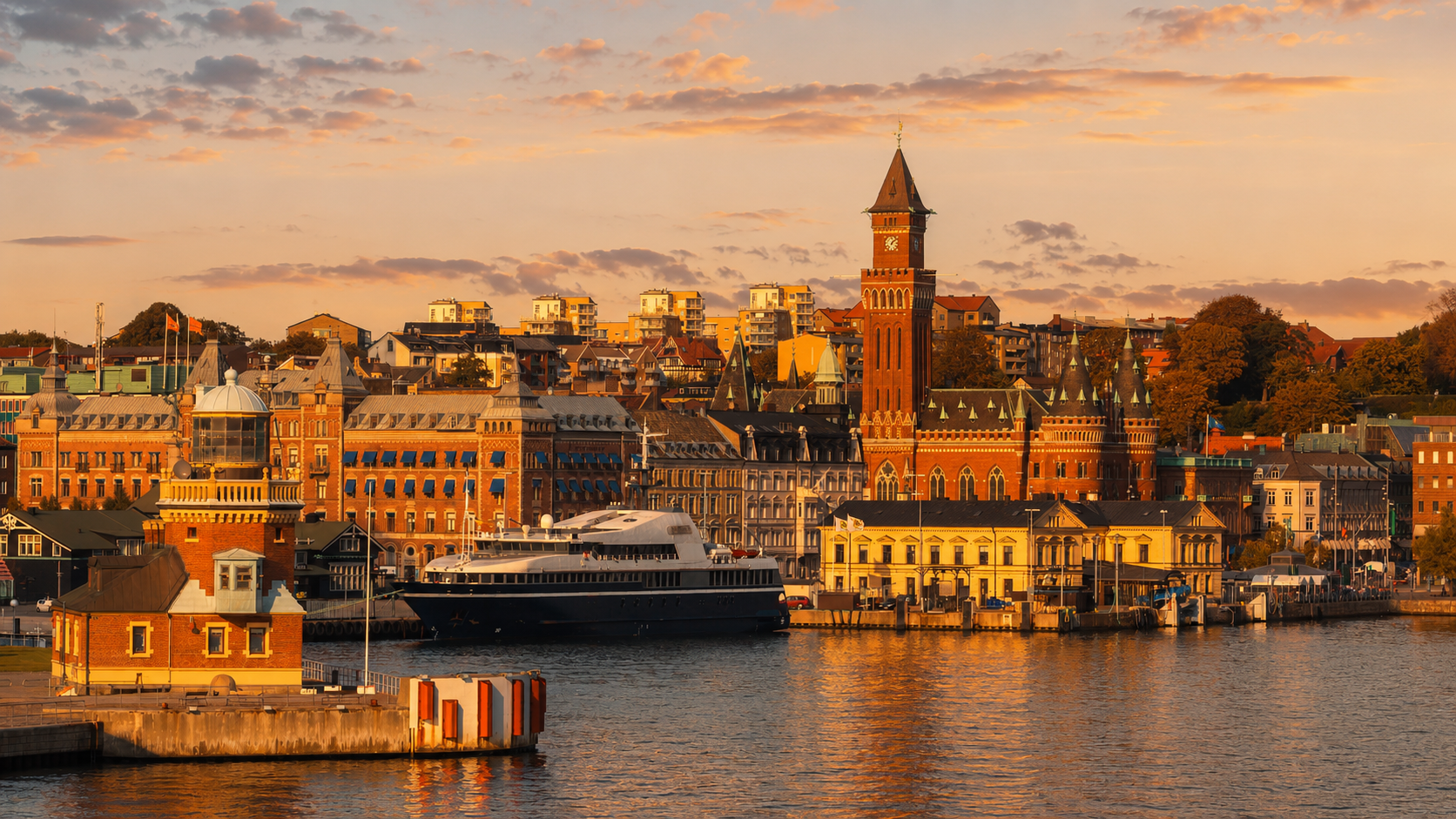
The Kingdom of Denmark
Overview
The Kingdom of Denmark consists of Denmark, Greenland, and the Faroe Islands. These three parts share constitutional ties, while Greenland and the Faroe Islands have extensive self-government, distinct languages, cultures, landscapes, and travel systems. For visitors, the Kingdom is not one continuous destination: it stretches from densely connected Northern Europe to remote North Atlantic and Arctic regions.
Why Go
A journey within the Kingdom can connect Danish cities, cycling culture, islands, and coastlines with Faroese mountains and Greenlandic ice, fjords, and Inuit culture. The contrasts are exceptional, but they should be approached with care. Denmark, Greenland, and the Faroe Islands are each substantial destinations rather than interchangeable extensions of Copenhagen.
Best Time To Visit
 Photo by Steffen Muldbjerg on Unsplash
Denmark is a year-round destination, with the broadest outdoor and island travel from late spring through early autumn. The Faroe Islands have their longest days and widest visitor schedules from May through September, though wind, fog, and rain remain common. Greenland’s main hiking and sailing season is summer, while winter and spring support snow activities and northern-light travel in many regions.
 Photo by Aiva Apsite on Unsplash
A single calendar window cannot optimize all three. Choose dates around the primary destination and accept seasonal tradeoffs elsewhere.
Areas Or Nearby Places To Know
Denmark includes Copenhagen, Zealand, Jutland, Funen, Bornholm, and many smaller islands. The Faroe Islands form an 18-island North Atlantic archipelago centered on Tórshavn. Greenland’s populated places lie mainly along the coast, with Nuuk, Ilulissat, Sisimiut, and South Greenland serving different travel regions.
Getting Around
 Photo by Emil Møller on Unsplash
Copenhagen is the principal hub for Denmark and an important air gateway toward both the Faroe Islands and Greenland. The three parts are separated by sea and long flight distances; there is no practical overland route between them. Denmark has dense rail, bus, road, and ferry networks. Faroese travel uses roads, tunnels, buses, and ferries. Greenland’s towns are connected by air and sea, not by roads.
 Photo by Nick Karvounis on Unsplash
Practical Notes
The Danish krone is used across the Kingdom, with locally issued banknotes in the Faroe Islands. Languages and public institutions differ. Danish is central in Denmark, Faroese in the Faroe Islands, and Greenlandic in Greenland; English is common in tourism but should not erase local names or cultural context.
Cautions Or Tradeoffs
A trip covering all three parts requires significant time, money, and schedule buffers. North Atlantic and Arctic weather can delay flights and boats. Avoid framing Greenland and the Faroe Islands as side trips to Denmark; both deserve independent research and respectful planning. If time is short, travel deeply in one part of the Kingdom and save the others for separate journeys.
Things to do in The Kingdom of Denmark
Things To Do
In Denmark, begin with Copenhagen’s waterfront, historic center, design museums, food markets, and neighborhoods reached by bicycle or public transport. Continue beyond the capital to Roskilde, the castles of North Zealand, the coast and towns of Jutland, Odense and Funen, or the Baltic landscapes of Bornholm. Denmark’s compact transport network makes multi-stop travel practical.
Cycle part of Denmark’s signed route network. Flat terrain and extensive infrastructure make cycling useful for both urban travel and longer coastal journeys. Wind can be more demanding than elevation, and island ferries require schedule planning.
In the Faroe Islands, base yourself in Tórshavn and explore mountain roads, villages, and coastal paths across Streymoy, Eysturoy, and Vágar. Visit Saksun or Gjógv with respect for residents and private land, and consider Mykines only with a flexible weather plan. Hiking requires layers, route research, and a willingness to turn back in fog or strong wind.
In Greenland, choose one region. Ilulissat provides access to the UNESCO-listed Icefjord, Nuuk combines culture with fjord excursions, and South Greenland offers farms, Norse sites, and boat-linked settlements. Winter activities, hiking, sailing, and wildlife trips depend on exact location and season. Guided travel is often essential outside towns.
Learn about the Kingdom through local institutions rather than a single simplified narrative. Museums in Copenhagen explain Danish history; Faroese museums and cultural venues center island life; Greenland’s museums, guides, artists, and hosts present Greenlandic perspectives. Treat political and colonial history thoughtfully and allow each place to speak for itself.
Connect the three parts only if the itinerary has enough time for weather buffers. Flights between Copenhagen and Tórshavn or Nuuk can form a broader route, but Greenlandic domestic connections and Faroese ferries may add several days of logistical risk.
Food And Drink
Denmark offers bakeries, open sandwiches, seafood, regional produce, and a wide restaurant range. Faroese food emphasizes lamb, fish, shellfish, and preservation traditions. Greenlandic menus may include local fish, shellfish, lamb, reindeer, or musk ox. Favor businesses rooted in local communities and ask respectfully about ingredients and sourcing.
Good To Know
Entry rules, transport, and insurance needs can differ among Denmark, Greenland, and the Faroe Islands, so verify each destination separately. Weather disruption is normal in the North Atlantic and Arctic. Do not schedule an international departure immediately after a remote boat or domestic flight. The Kingdom is best understood as three connected but distinct travel worlds, not as one checklist.